History - The Codex Regius
Posted on March 20th 2027
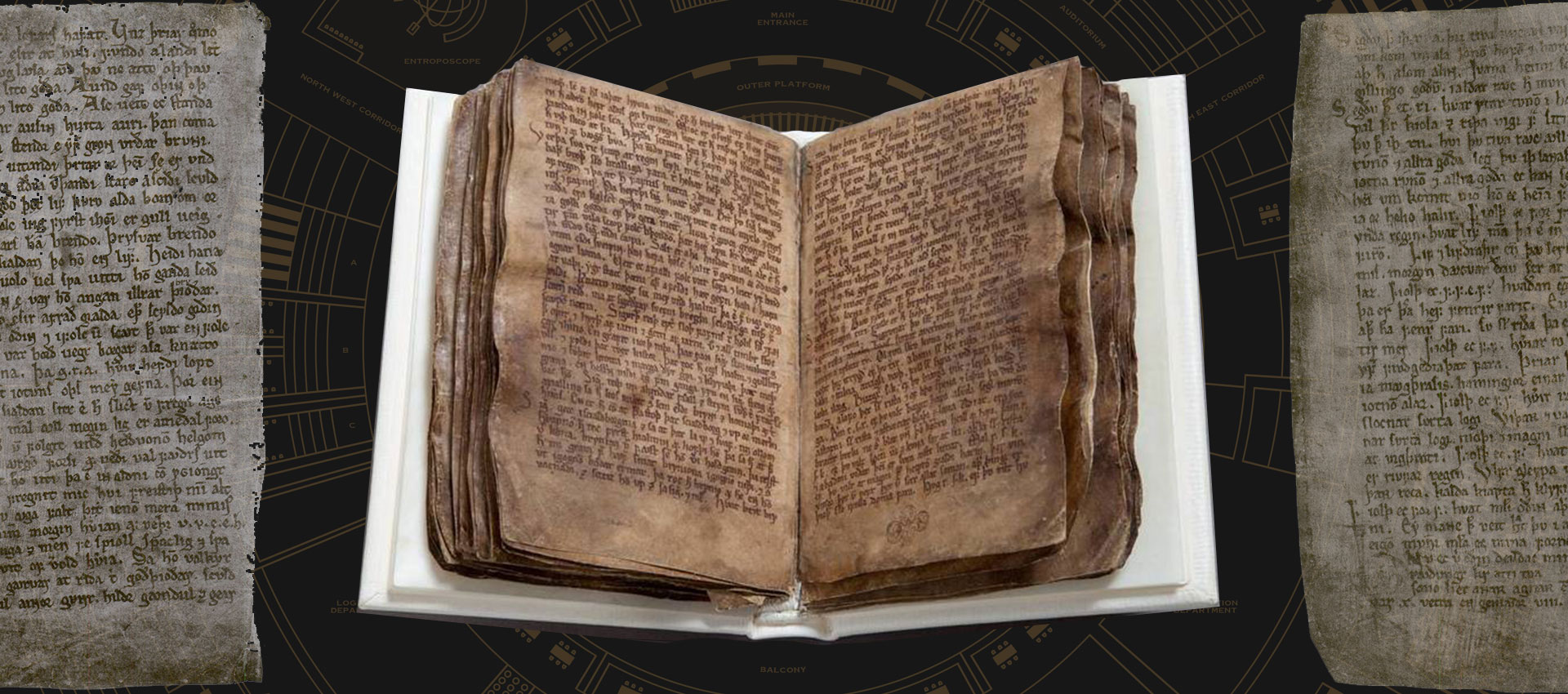
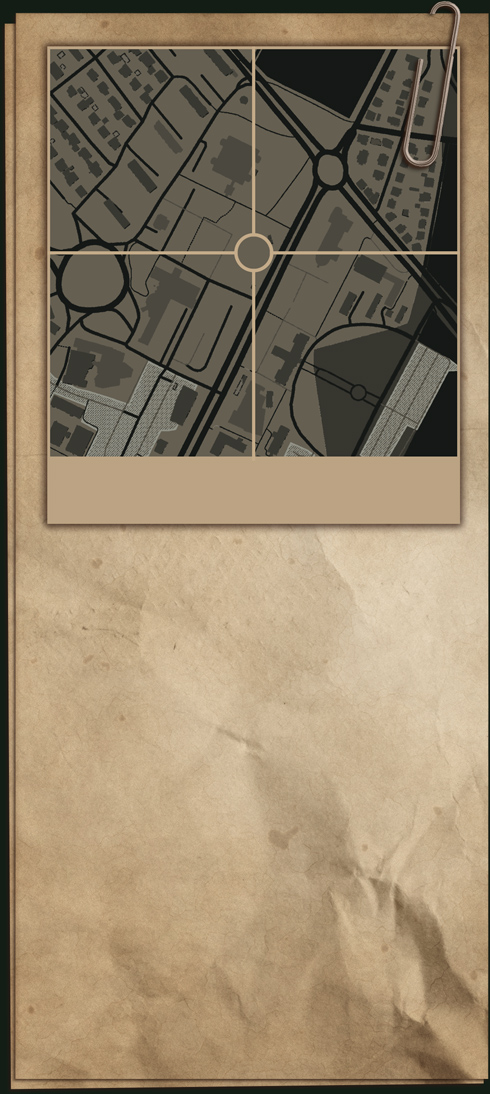
64.1418, -21.9504
Further Details
The Codex Regius is a medieval Icelandic manuscript usually dated to around 1270.
It is the sole source for many poems of the Poetic Edda.
The manuscript preserves mythological and heroic material central to our understanding of Norse tradition.
It came into the possession of Bishop Brynjolfur Sveinsson in the 17th century and was later presented to the Danish king.
Today it is kept in Reykjavik at the Arni Magnusson Institute for Icelandic Studies.
A book that preserved an entire mythic world.
The Codex Regius, also known as the Konungsbók or “The King’s Book”, is one of the most important surviving manuscripts of Old Norse literature. Written in Iceland in the late 13th century, it preserves a remarkable collection of poems that form the heart of what is now known as the Poetic Edda.
Without it, our understanding of Norse mythology would be far less complete. Many stories of Odin, Thor, Loki, Ragnarok, and the creation of the world are only known today because this incredible manuscript has survived through the centuries.
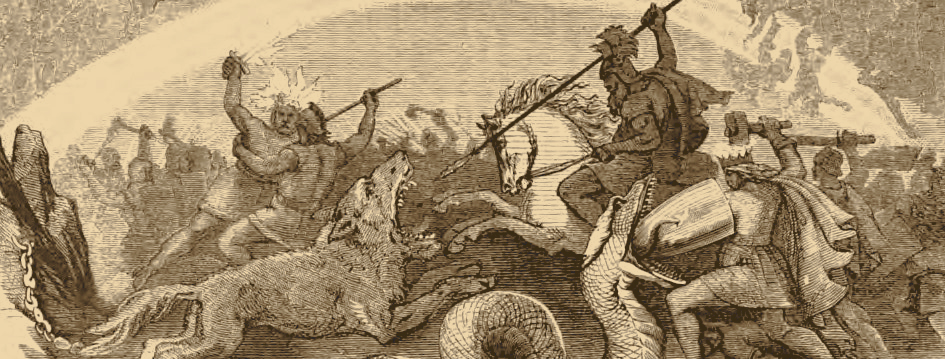
The poems of gods and heroes.
The Codex Regius is not a conventional book. There’s no beginning, middle, or end. Rather, the manuscript gathers several different poems that had likely only circulated by word of mouth for generations before being written down for the first time.
For historians, scholars, and storytellers alike, this is what makes it so valuable. It is one of the earliest and most central pillars to the Norse mythological pantheon.
The Codex itself is made up of 45 vellum leaves. The work originally contained a further eight leaves, but these are now missing. No one knows what they contained or what may have happened to them.
From Iceland to Copenhagen and back again.
The manuscript disappeared from the historical record for centuries before resurfacing in the 17th century, when it came into the hands of the Icelandic bishop Brynjolfur Sveinsson. Believing it to be of immense importance, he sent it to the Danish King, Frederick III, which is how it came to be known as the Codex Regius, the royal book.
For many years it was kept in the royal library in Copenhagen. But, after much negotiation, it was finally returned to Iceland on the 12th of April 1971.
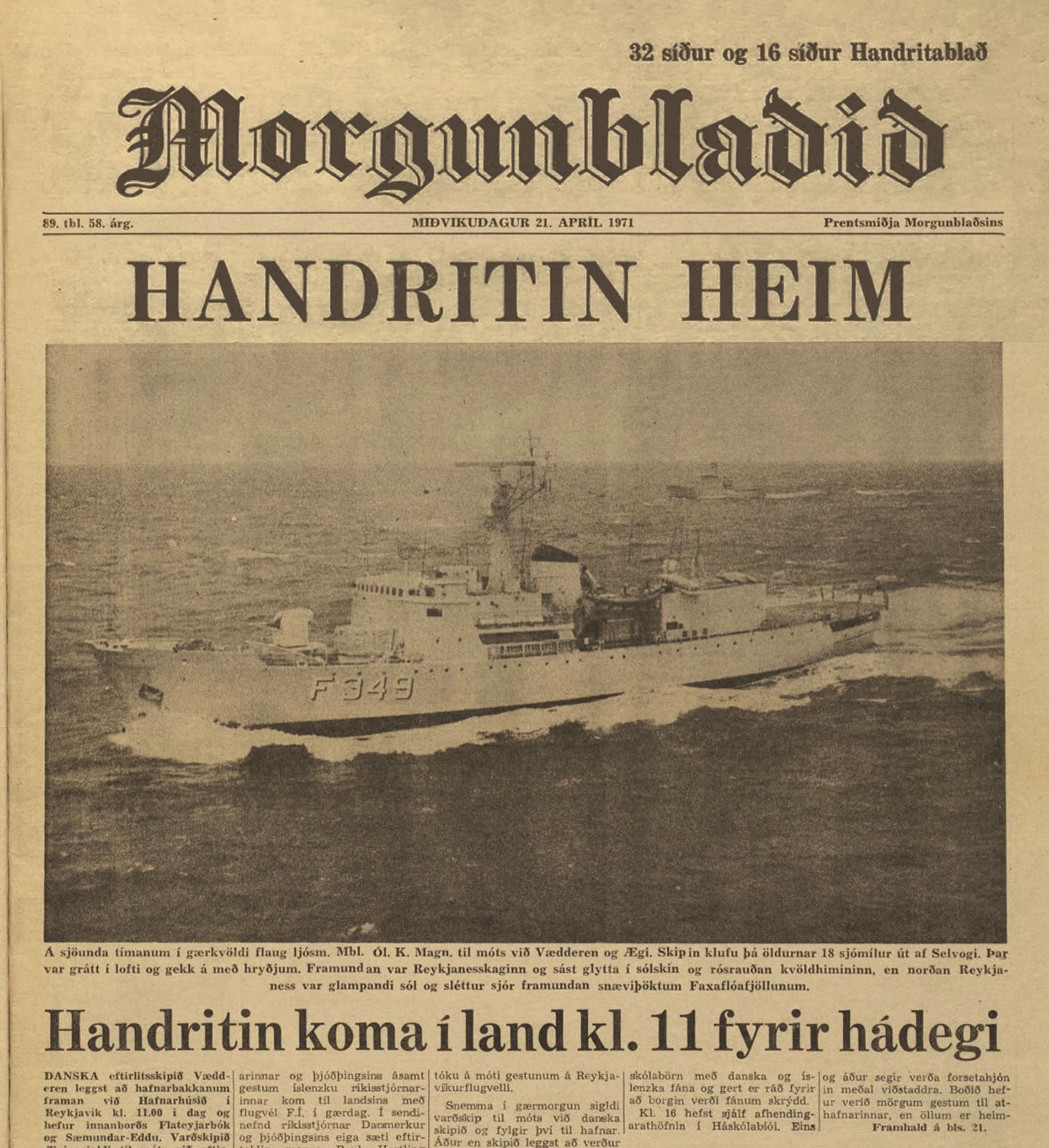
Because air travel at the time was not considered trustworthy enough for such precious cargo, it was transported aboard the Danish naval vessel, Vædderen, accompanied by a heavy military escort.
It arrived safely in Reykjavík harbor to immense celebration, greeted by thousands of Icelanders who saw its return as a symbolic act of cultural restoration and independence. The Codex has been revered as one of the nation’s great cultural treasures ever since.

If you visit Iceland today, you can see the Codex for yourself. It’s currently on display at the World in Words exhibition on the ground floor of the Edda building on Arngrímsgata 5, 107 in Reykjavik.
From the author
“I can still remember the day I first read about the Codex Regius. An ancient book containing some of the earliest known references to Norse mythology? Sign me up.
The Codex wasn’t on public display back then but I sent the Arni Magnusson Institute in Reykjavic an email, asking if I’d be allowed to visit and see it in person. I received a very polite rejection and thought that was the end of it.
Then, just a few months before the planned release of The London Repository, it was announced the Codex Regius was going back on public display. What are the chances.
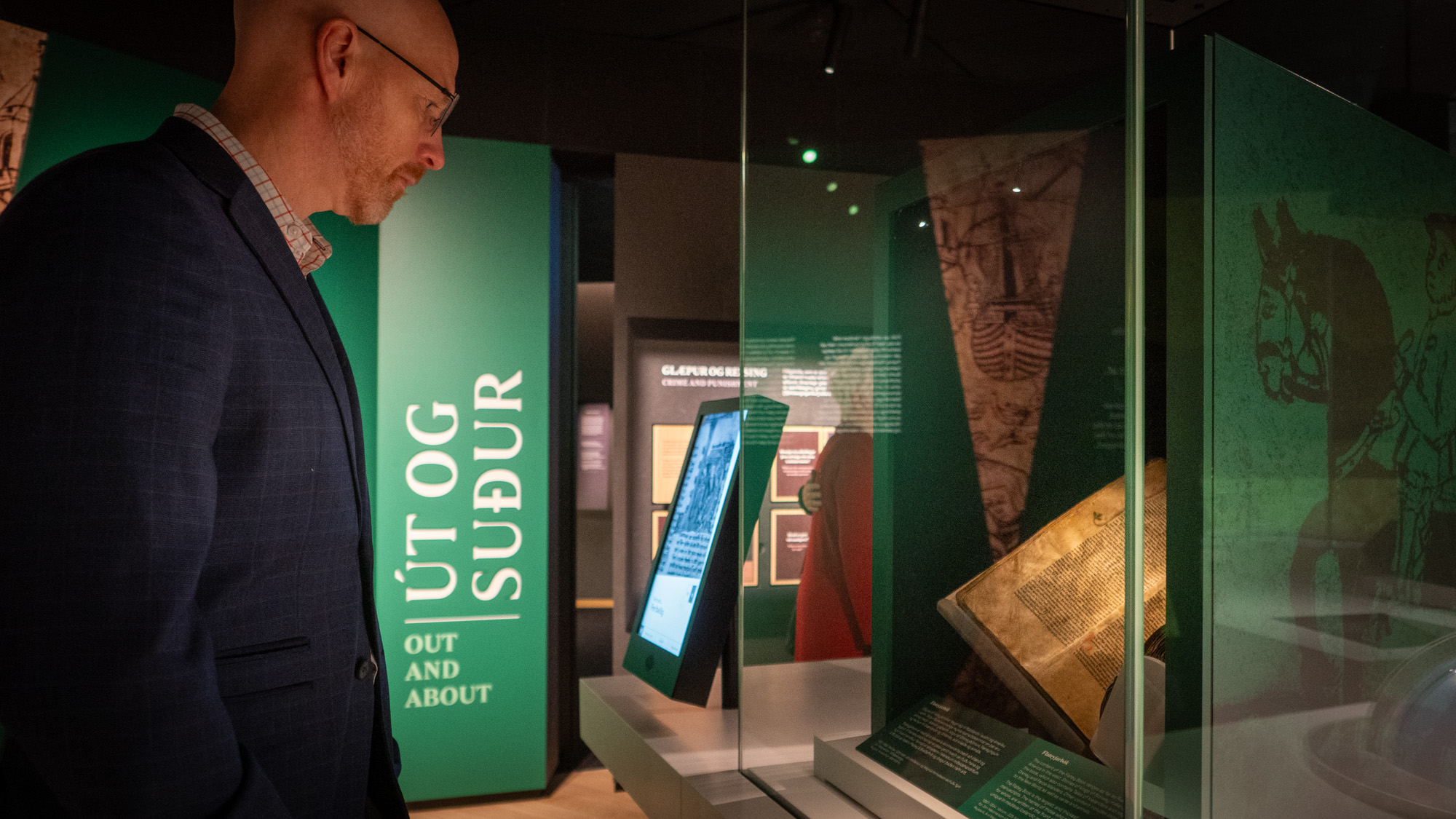
I’ve personally visited Iceland twice now and still haven’t seen the real Codex in person. But you know what they say. Third time’s the charm.”

See also
The Merchant Royal